Nu-Isoleren Logo
CAVITY WALL INSULATION

Professional cavity wall insulation

Many existing homes have an empty or insufficiently insulated cavity between the inner and outer wall. Professionally insulating this cavity helps reduce heat loss and improve indoor comfort.

Nu-Isoleren is a recognised installer and works with an officially ATG-certified cavity wall insulation system. For this application we use high-quality EPS beads from Isomo nv in Kortrijk-Heule, the Belgian market leader since the 1950s.

Cavity wall insulation is not simply a matter of filling an empty space. The condition of the outer wall, the width and cleanliness of the cavity and the detailing around windows, doors and other junctions all influence whether the work is technically suitable. We therefore assess the wall construction before recommending a system.

Professional cavity wall insulation

What is cavity wall insulation?

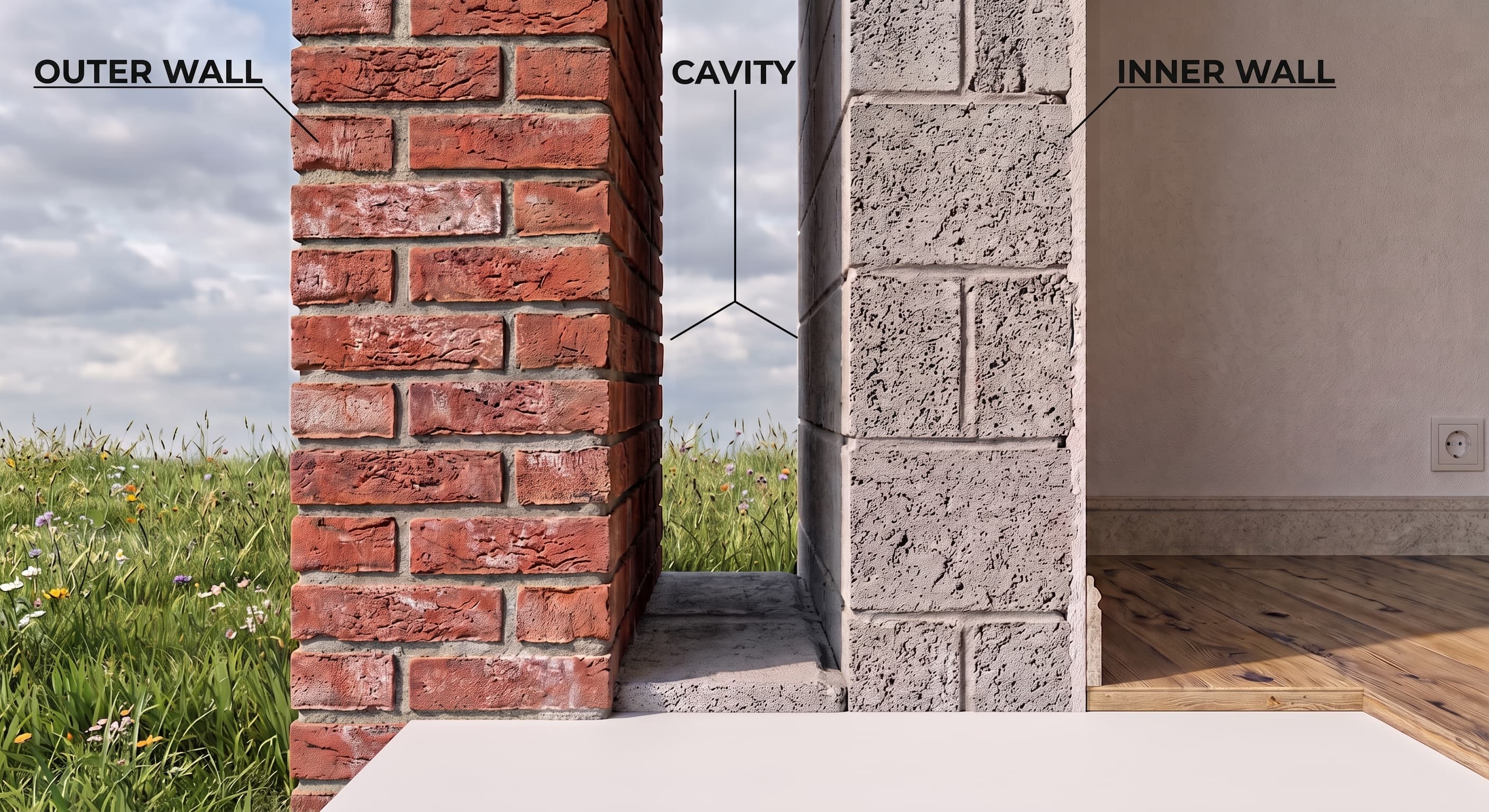
A cavity wall consists of an inner and outer wall separated by a cavity. In many homes this space is uninsulated or only partly insulated.

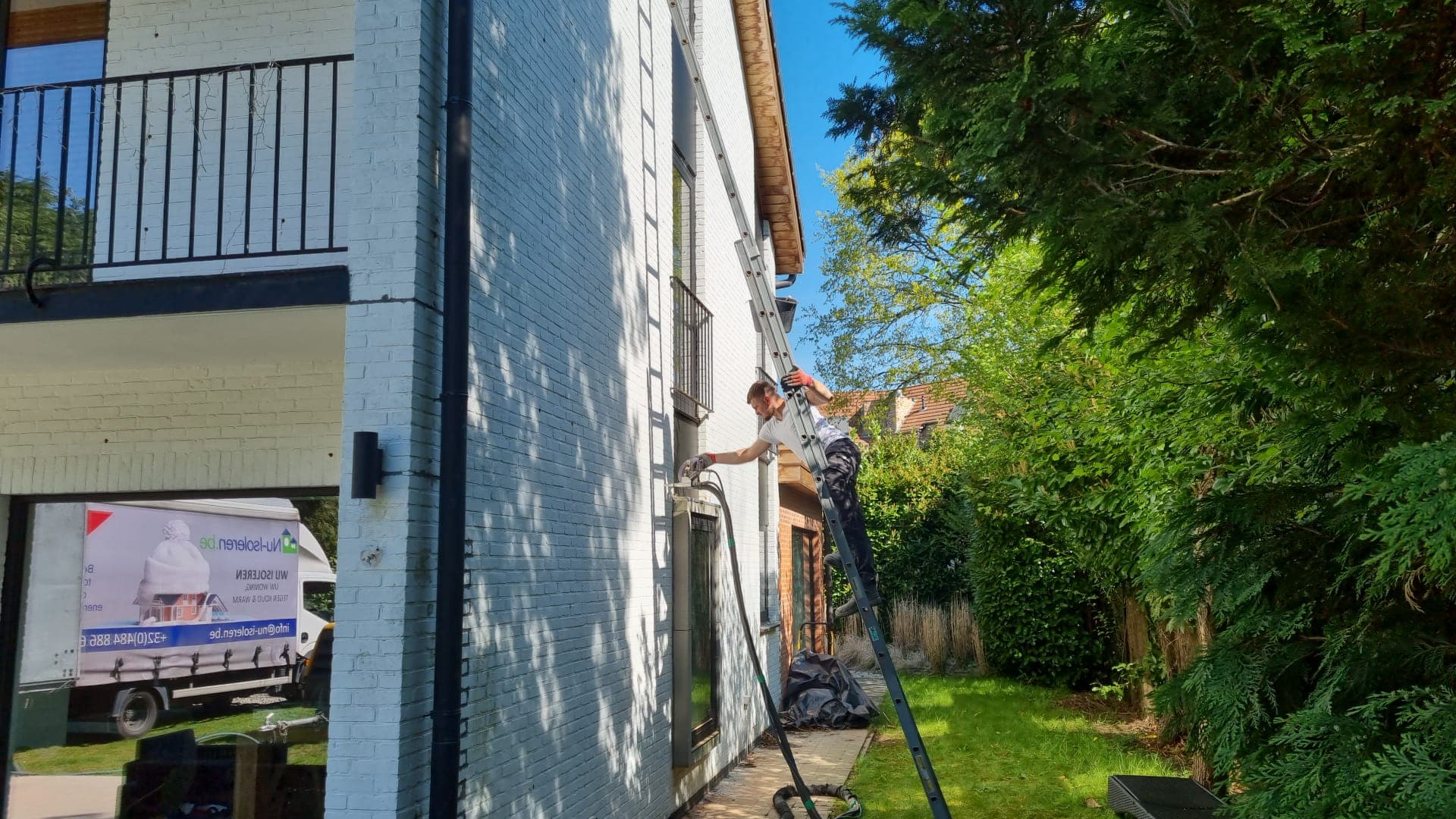
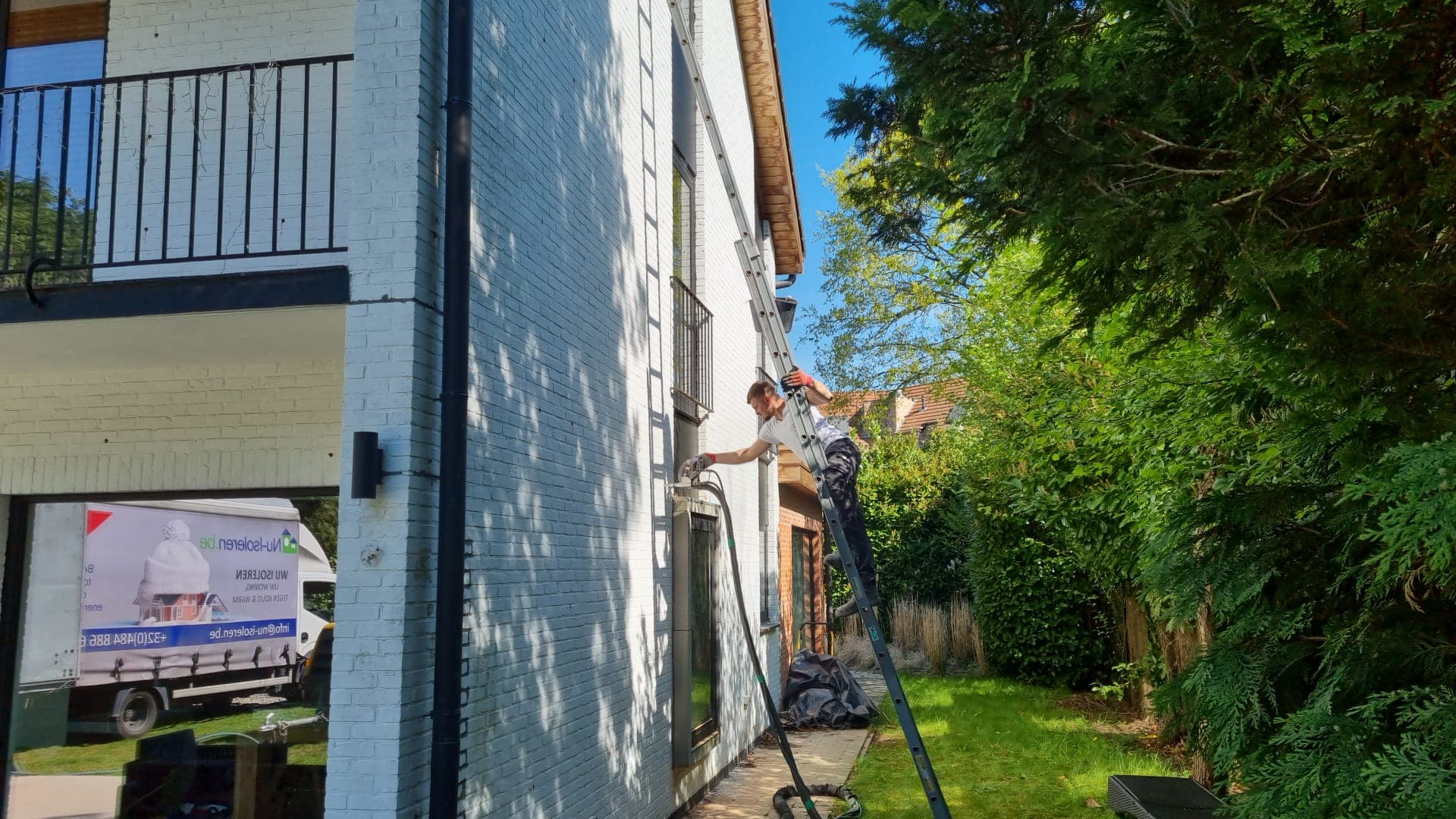
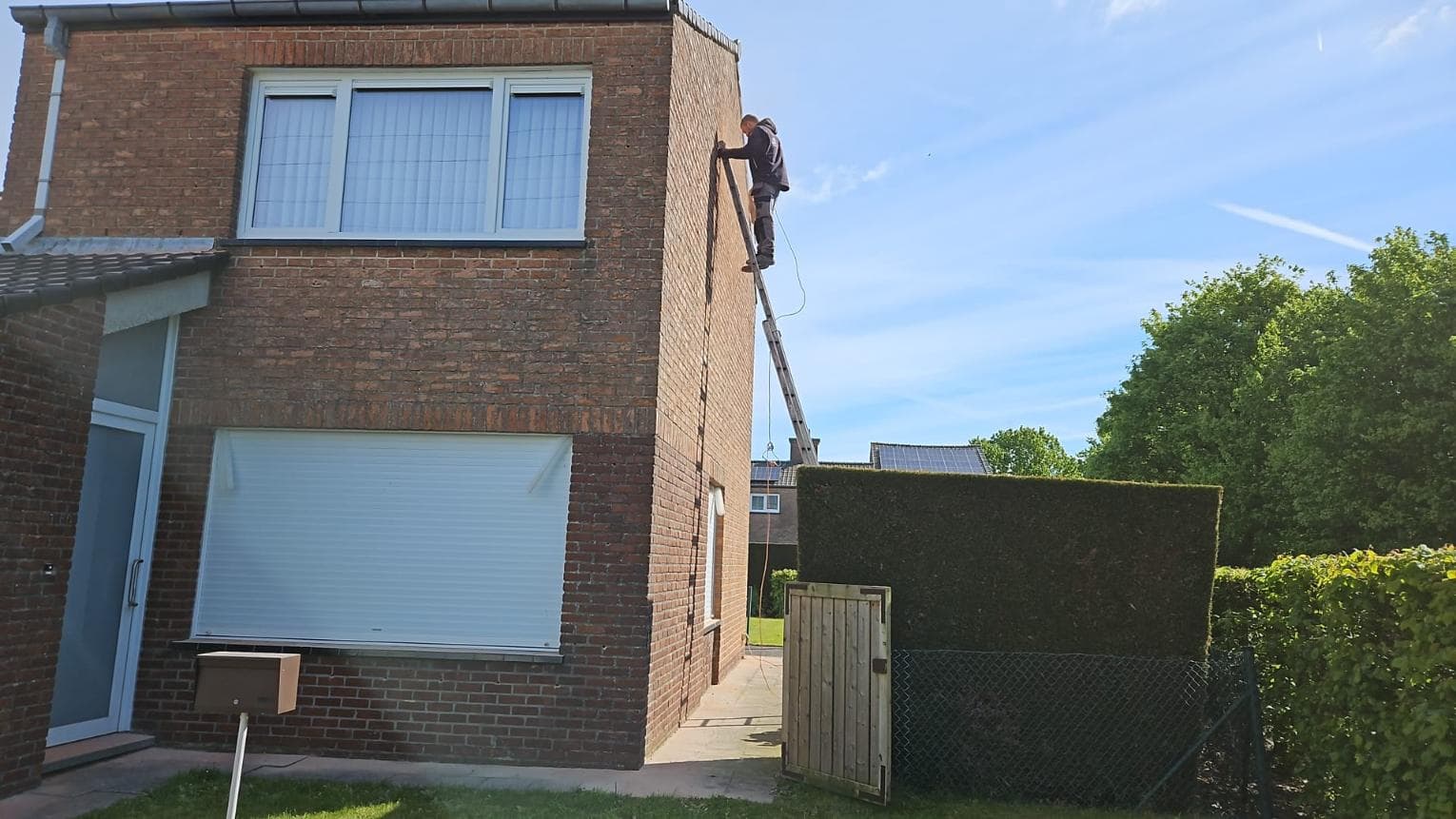
Nu-Isoleren fills a suitable cavity with EPS beads injected from the exterior, improving insulation without opening internal walls.

Cavity wall insulation is mainly intended for existing homes with an empty or insufficiently insulated cavity. Because the material is injected from the outside, the internal finish can usually remain untouched and no usable floor space is lost.

Searches such as insulate a cavity wall or retrofit cavity wall insulation refer to the same principle: filling the existing gap between the inner and outer leaves in a controlled way with a suitable insulation material.
What is cavity wall insulation? - 1

Benefits of cavity wall insulation

Correctly installed cavity wall insulation can reduce heat loss and improve indoor comfort.

Besides reducing heat loss, many households notice the comfort improvement: internal wall surfaces feel less cold and temperature differences are reduced. The outside appearance is largely preserved because drilling takes place in the mortar joints and the openings are made good afterwards.

  • Reduced heat loss
  • Improved indoor comfort
  • No major interior demolition
  • Often completed quickly

Is your home suitable?

Not every cavity can be insulated without inspection. We assess width, condition, brickwork, pointing, contamination and moisture.

Existing insulation or debris may need to be removed first.

Not every cavity can be filled immediately. We check the available width, possible rubble or mortar bridging, the condition of the pointing and whether old insulation is already present. In some homes the cavity first needs to be cleaned or previous insulation removed.

EPS beads from Isomo

We use high-quality EPS beads from Isomo nv in Kortrijk-Heule, installed with a bonding agent to create a stable insulation layer.

Read more on our EPS insulation page.

Nu-Isoleren uses high-quality EPS beads from Isomo nv in Kortrijk-Heule for this application. The beads spread through the available cavity and are injected together with a bonding agent to create a stable insulation layer. More technical information is available on our EPS insulation page.

ATG-certified cavity wall insulation

Nu-Isoleren works as a recognised installer with an officially ATG-certified system installed under defined technical conditions.

An ATG approval relates to a technically assessed system rather than only the name of an insulation material. It sets conditions for the product, substrate and installation. Proper cavity assessment and installation according to the prescribed method are therefore part of the complete system.

How is cavity wall insulation installed?

The exact process depends on the property.

After the inspection we determine the drilling pattern so the beads can spread evenly throughout the wall. Filling is carried out systematically in zones. The drill holes are then closed with matching mortar and the treated areas are checked.

01

Inspection

We assess the cavity and façade.

02

Drilling pattern

Small filling holes are made in mortar joints.

03

Inject EPS beads

The beads are injected in a controlled way.

04

Finish the façade

The drill holes are closed again carefully.

How much does cavity wall insulation cost?

The price depends on wall area, cavity width, accessibility, façade condition and preparation. A property-specific quotation is therefore more reliable than a fixed generic price.

The cost of cavity wall insulation depends mainly on wall area, accessibility, cavity width and condition and any preparatory work. Contamination or damaged pointing can add extra work. A universal price per square metre is therefore only indicative; a free quotation gives a price based on the actual property.

Grants for cavity wall insulation

Depending on region and circumstances, grants may be available. See our grants section.

Grant conditions and amounts can change and differ by region and project. We therefore avoid fixed amounts on this service page. Our central grants page brings together the relevant regional information and conditions.

Frequently asked questions

Answers about suitability, material, pricing and installation.

How long does it take to insulate a cavity wall?

In most cases, the cavity walls of an average home are fully insulated within a single working day, without any demolition work or inconvenience.

How do I know if my cavity walls can be insulated?

Not every cavity wall can be insulated without an inspection. The width and condition of the cavity, the exterior wall and any existing insulation should first be checked. An inspection can determine whether the cavity is suitable for insulation with EPS beads.

Can cavity wall insulation cause moisture problems?

The EPS system used by Nu-Isoleren absorbs virtually no water and retains its insulating properties within the cavity. Before installation, we still check that the cavity and exterior wall are suitable and that there are no existing defects that need to be resolved first. This combines a moisture-resistant insulation material with correct installation.

How do I know if my home has cavity walls?

Many homes built between approximately 1920 and 1975 have cavity walls that were originally built with little or no insulation. More recent homes often already contain insulation, but the construction year alone is not enough to be certain. Nu-Isoleren therefore checks the wall construction and condition first to determine whether the cavity is suitable for insulation with EPS beads.

Why does Nu-Isoleren use EPS beads for cavity wall insulation?

Nu-Isoleren uses EPS beads because they are lightweight, dimensionally stable, moisture-resistant and provide strong thermal insulation. Different bead sizes also help fill the available cavity space effectively. We work with ISOMO EPS and an ATG-approved system for retrofitting cavity wall insulation.

Ready to improve your home?

Request a non-binding quote and discover what we can do for your home.