Nu-Isoleren Logo
RISING DAMP

Professional rising damp treatment

Rising damp occurs when moisture from the ground moves upward through porous building materials by capillary action. Typical signs include damp patches low on walls, damaged plaster, salts and musty odours.

Correct diagnosis is essential because not every moisture issue at the base of a wall is rising damp.

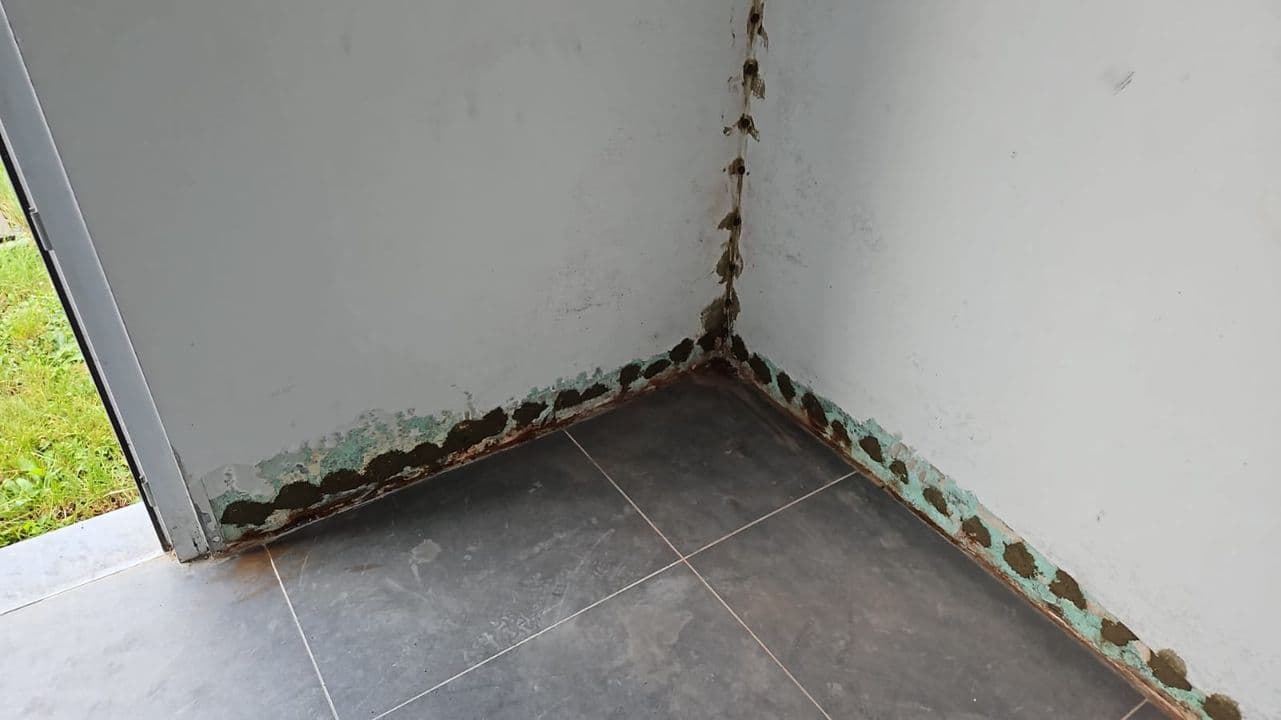
Rising damp occurs when ground moisture moves upward through the porous structure of a wall. It is most common where a damp-proof barrier is missing, damaged or no longer functioning properly. Because other moisture problems can create similar marks, diagnosis is important before treatment begins.
Professional rising damp treatment

What is rising damp?

Rising damp is ground moisture that moves upward through porous masonry by capillary action. A missing, damaged or bridged damp-proof course can contribute to the problem.

Rising damp occurs when ground moisture moves upward through the porous structure of a wall. It is most common where a damp-proof barrier is missing, damaged or no longer functioning properly. Because other moisture problems can create similar marks, diagnosis is important before treatment begins.

How can you recognise rising damp?

Signs usually appear low on the wall: damp patches, staining, peeling paint or plaster, salt deposits and sometimes mould or musty odours.

Common signs include damp patches low on the wall, peeling paint or plaster, salt deposits and a recurring damp band rising from floor level. The height and pattern vary between buildings, so a single damp patch is not enough to prove the cause.

  • Damp patches at the base of walls
  • Peeling plaster or paint
  • Salt deposits
  • Musty odours

Why correct diagnosis matters

Similar damage can be caused by leaks, condensation, penetrating damp or pipework problems. We therefore assess the likely cause before selecting a treatment.

Condensation, plumbing leaks, penetrating damp and rising damp all require different solutions. The wrong treatment can cost money without addressing the source. We therefore assess the location of the damage, wall build-up and possible external moisture sources first.

How is rising damp treated?

A common approach is to inject a water-repellent product into the base of the wall to create a horizontal barrier against further capillary rise.

Nu-Isoleren treats rising damp by drilling a controlled line of holes into the wall and injecting a suitable treatment product. The product creates a new moisture-resistant zone intended to limit further capillary rise from the ground.

What happens after treatment?

A damp wall does not dry immediately. Drying takes time and damaged or salt-contaminated plaster may need additional repair.

Nu-Isoleren treats rising damp by drilling a controlled line of holes into the wall and injecting a suitable treatment product. The product creates a new moisture-resistant zone intended to limit further capillary rise from the ground.

Rising damp, penetrating damp or condensation?

Not every damp wall has the same cause. Rising damp comes from the ground, penetrating damp generally from outside and condensation from humid indoor air. Correct treatment begins with correct diagnosis.

Condensation, plumbing leaks, penetrating damp and rising damp all require different solutions. The wrong treatment can cost money without addressing the source. We therefore assess the location of the damage, wall build-up and possible external moisture sources first.

Rising damp in internal walls

Internal walls can also absorb moisture from the ground. The location of the damp patch alone is therefore not enough to identify the cause.

Rising damp occurs when ground moisture moves upward through the porous structure of a wall. It is most common where a damp-proof barrier is missing, damaged or no longer functioning properly. Because other moisture problems can create similar marks, diagnosis is important before treatment begins.

How do we treat rising damp?

Once diagnosis confirms rising damp, we follow a controlled treatment process.

Nu-Isoleren treats rising damp by drilling a controlled line of holes into the wall and injecting a suitable treatment product. The product creates a new moisture-resistant zone intended to limit further capillary rise from the ground.

01

Diagnose the problem

We assess the damage and underlying cause.

02

Determine injection zone

We define where the lower wall zone needs treatment.

03

Inject the wall

The treatment product is installed through drilled openings.

04

Drying and finishing

The wall then needs time to dry before final finishing.

How much does rising damp treatment cost?

Price depends on wall length and thickness, masonry type, accessibility and any plaster repairs required.

Cost depends on the length and thickness of the walls, accessibility, substrate and any additional repair work. Because the moisture source must first be identified correctly, pricing is based on the actual situation. Request a free quotation for an assessment.

Frequently asked questions

Answers about symptoms, diagnosis, wall injection, drying and pricing.

How can I recognise rising damp in my home?

Common signs include damp patches along the bottom of walls, peeling paint, damaged plaster or moisture marks rising from floor level. Nu-Isoleren first investigates the source so that the actual moisture problem can be treated rather than only the visible damage.

How does Nu-Isoleren treat rising damp?

Where the wall is suitable, openings are drilled at a controlled level and a damp-proof treatment is introduced. This creates a barrier designed to stop moisture from continuing to rise through the masonry, after which the existing wall can gradually dry.

Does rising damp disappear immediately after treatment?

The treatment addresses further rising moisture, but water already present in the wall does not disappear overnight. The masonry needs time to dry gradually. Nu-Isoleren can therefore also advise when the treated wall is ready for further finishing.

Ready to improve your home?

Request a non-binding quote and discover what we can do for your home.