
Nu-Isoleren Logo
Cavity wall insulation

Cavity wall insulation: disadvantages, risks and common mistakes

Cavity wall insulation can reduce heat loss through external walls, provided the cavity and façade are suitable. Discover the possible disadvantages, risks and common mistakes to avoid.

Updated on 14 October 2026

Cavity wall insulation: disadvantages, risks and common mistakes

Cavity wall insulation can be an effective way to improve the insulation of an existing home without carrying out major renovation work. However, homeowners often want to know whether cavity wall insulation has disadvantages or can cause problems.

In most cases, the greatest risks arise when a wall is insulated without a proper inspection first. The width and condition of the cavity, existing insulation, debris, moisture problems and the condition of the external façade should all be checked before installation.

Below, we explain the most common mistakes and how a professional inspection can help prevent them.
Is cavity wall insulation a good idea?

Yes, provided the cavity is technically suitable and the insulation is installed correctly.

An empty or poorly insulated cavity can allow heat to escape through the external walls. Insulating a suitable existing cavity can reduce this heat loss and improve indoor comfort.

The important question is therefore not simply whether cavity wall insulation is good or bad, but whether your particular wall construction is suitable.

Before installation, we check factors such as cavity width, debris, existing insulation, moisture and the condition of the external wall.

What are the disadvantages of cavity wall insulation?

Most potential disadvantages are related to unsuitable walls or incorrect installation rather than cavity wall insulation itself.

Possible risks include:

  • insulating a contaminated or unsuitable cavity;

  • ignoring existing moisture problems;

  • insulating behind a damaged external façade;

  • failing to assess old insulation;

  • overlooking construction defects or thermal bridges;

  • incomplete or uneven filling of the cavity.

A proper inspection before installation is therefore essential.

The most common cavity wall insulation mistakes

1. Insulating without inspecting the cavity
The actual condition and width of the cavity should be checked first.

2. Ignoring existing moisture problems
Leaks, damaged pointing or other moisture issues should be investigated before insulation.

3. Ignoring debris inside the cavity
Mortar and other obstructions can affect how evenly insulation can be distributed.

4. Failing to assess existing insulation
Older cavity insulation should be checked before new material is added. In some properties, it may first be necessary to remove existing cavity wall insulation before installing a new system.

5. Choosing purely on price
Inspection, material choice and workmanship are just as important as the cavity wall insulation price per square metre.

6. Poor installation
The insulation material must be distributed correctly throughout the suitable parts of the cavity.

Can cavity wall insulation cause damp problems?

Cavity wall insulation does not automatically cause damp problems.

Problems are more likely when an unsuitable wall is insulated or when existing defects such as penetrating damp, damaged pointing or water ingress are not identified first.

This is why the condition of both the cavity and external façade should be assessed before installation.

Can an older home have cavity wall insulation?

Potentially, yes. The age of the property alone does not determine whether cavity wall insulation is suitable.

The wall construction, cavity width, condition of the cavity and any existing insulation should first be inspected.

Depending on the findings, the wall may be suitable for direct insulation, the existing cavity may first need to be cleared, or another insulation method may be more appropriate.

How can cavity wall insulation problems be prevented?

The most important step is to check whether the cavity is suitable before installing insulation.

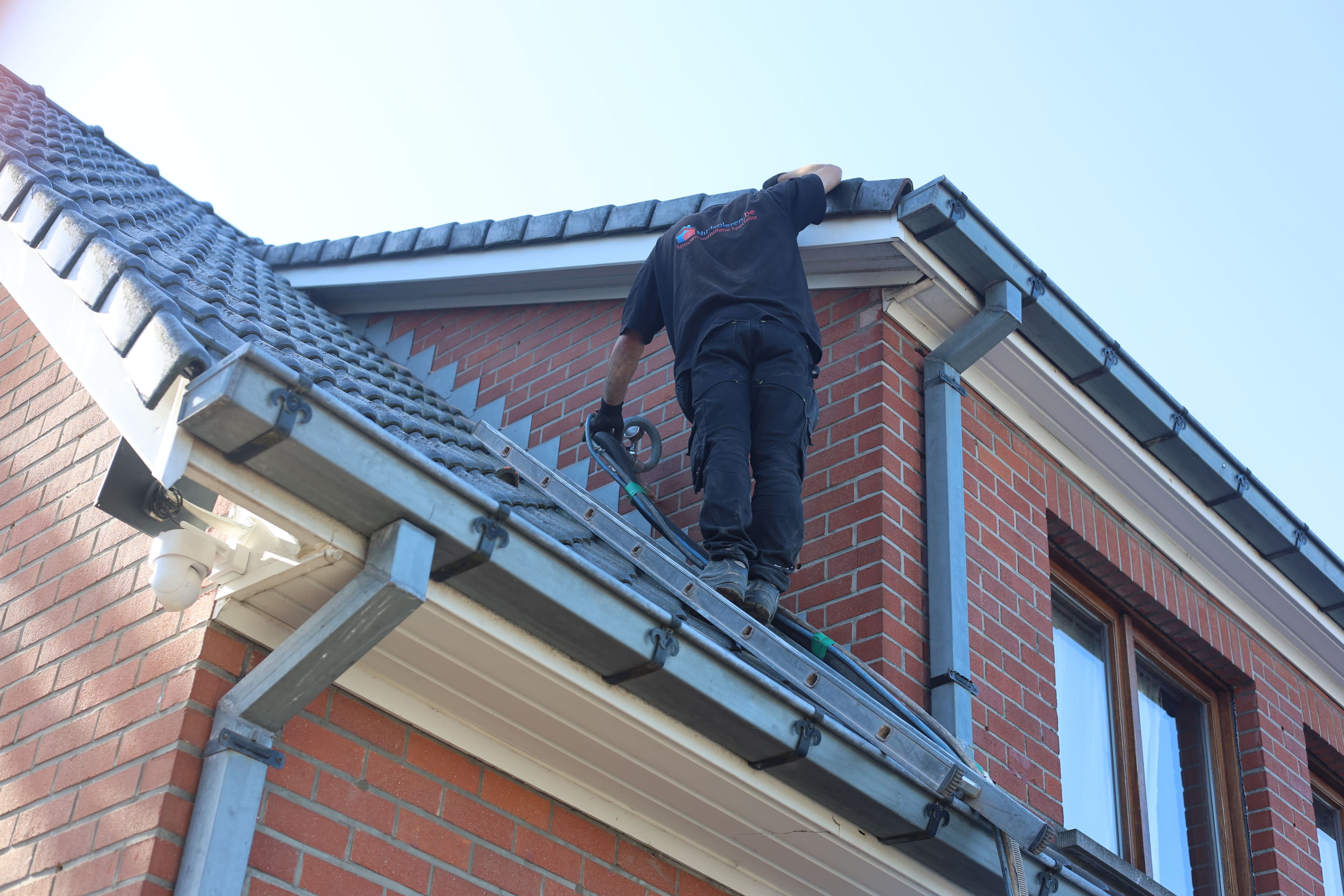
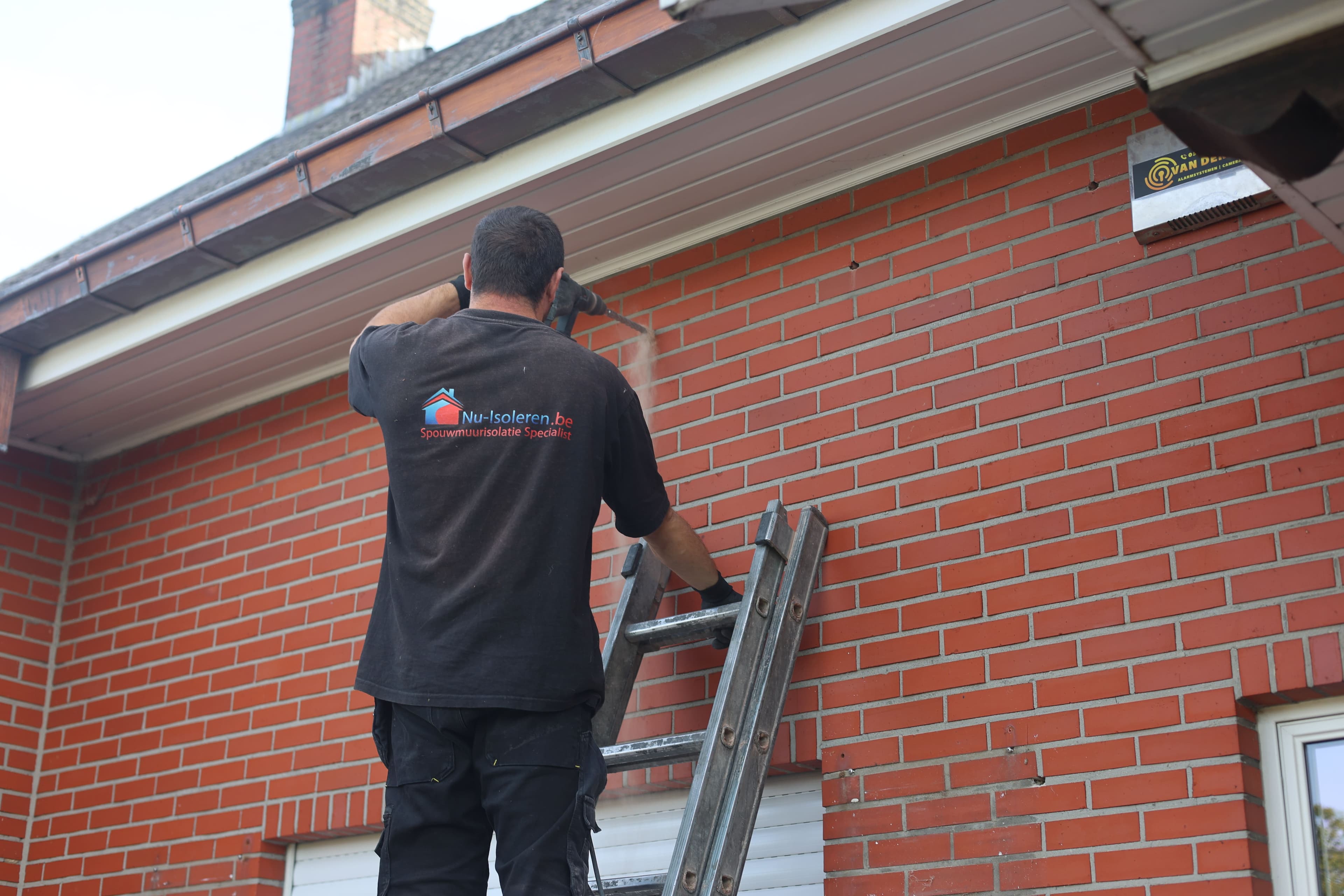
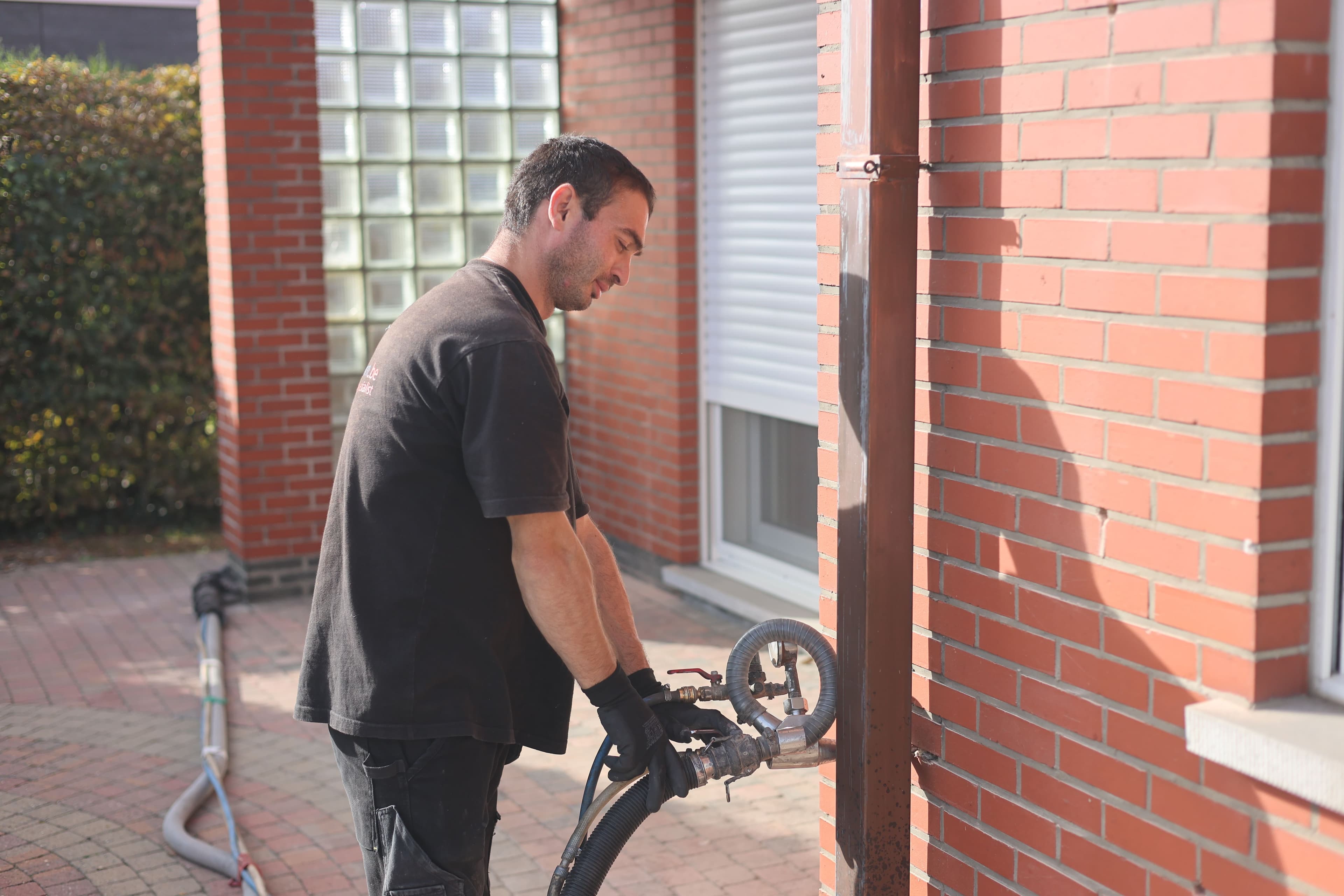
Nu-Isoleren first assesses the property and determines the appropriate approach. For technically suitable cavity walls, bonded EPS beads are injected through small drill holes in the mortar joints.

Not sure which material to choose? Compare the available options in our guide to which cavity wall insulation material is best.

After installation, the openings are carefully filled again with mortar. We make every effort to match the original colour of the joints as closely as possible so that the work remains visually discreet.

If you are unsure whether your cavity wall is suitable, an inspection provides a much more reliable answer than general assumptions about cavity wall insulation.

Frequently asked questions about cavity wall insulation

  • Is cavity wall insulation a good idea?
    Yes, when the cavity is suitable and the system is installed correctly.

  • Can an existing cavity wall be insulated?
    Yes. Many empty or poorly insulated cavity walls can be retrofitted after their width, condition, existing insulation and façade have been checked.

  • How is cavity wall insulation installed?
    Small holes are drilled through the mortar joints and bonded EPS beads are injected into the cavity. The holes are then carefully filled again.

  • Can cavity wall insulation cause damp?
    Not automatically. Existing moisture problems, façade defects or an unsuitable cavity should first be identified.

  • Can old cavity wall insulation be replaced?
    In some properties, existing insulation may first need to be assessed or removed before a new system can be installed.

  • How long does cavity wall insulation last?
    Cavity wall insulation is intended as a long-term solution. Its effective lifespan depends on the system, installation quality and condition of the property.

Want to know whether your walls are suitable? Request a free cavity wall insulation quote.

MORE ADVICE

You may also find these articles useful

Discover more practical information and advice about this topic.

Ready to improve your home?

Request a non-binding quote and discover what we can do for your home.