


Are you unsure whether your home is properly insulated? Heat loss is not always visible, but there are several signs that may indicate your building envelope could be improved. High energy bills, cold walls and large temperature fluctuations are important clues to look out for. In this article, we explain five signs you shouldn’t ignore and when it may be worth having your home’s insulation checked.
Renovation advice
When does your home need better insulation? 5 signs you shouldn’t ignore
High energy bills, cold walls or large temperature fluctuations can point to insufficient insulation. Discover 5 signs that may indicate your home could benefit from an insulation upgrade.
Updated on 19 September 2026
1. Your energy bill is unexpectedly high
Does your heating run for long periods while your home still struggles to stay warm? If so, a significant amount of heat may be escaping through the roof, walls, floor, windows or other parts of the building envelope.
It is therefore useful to compare your energy consumption not only with previous years, but also with the age and condition of your home. Unusually high energy use can be a good reason to investigate where heat is being lost.
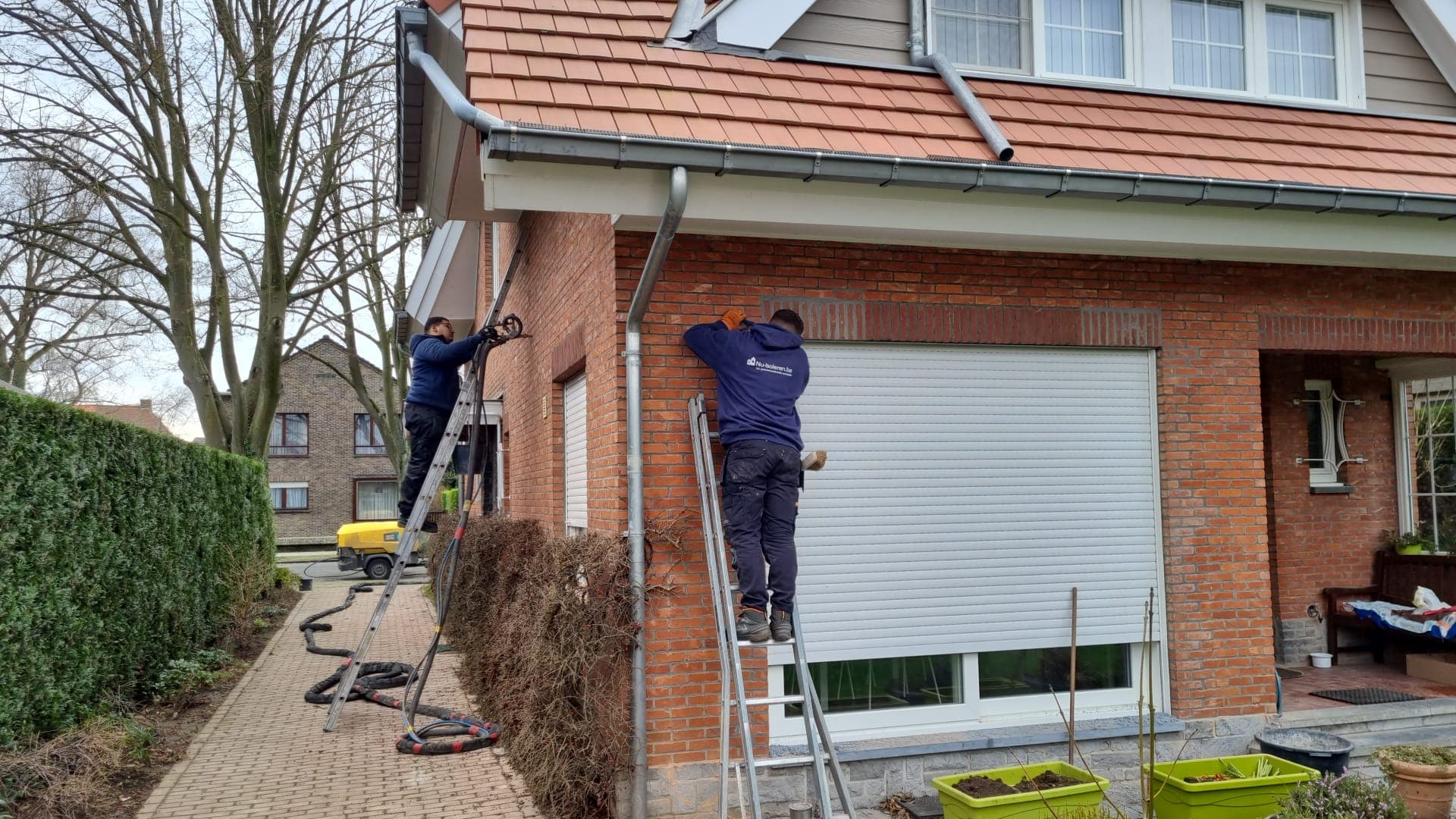
In homes with a suitable cavity wall that is uninsulated or insufficiently insulated, cavity wall insulation can be an effective way to reduce heat loss through the external walls.
2. Your internal walls feel cold or you experience draughts
During colder weather, place your hand against the inside of an external wall. If it feels noticeably colder than the rest of the room, this may indicate that the external wall is poorly insulated.
Cold surfaces can significantly affect comfort inside a room, even when the air temperature itself is sufficiently high.
Draughts should also be investigated. They do not necessarily come from the wall itself: gaps around windows, doors, floors or other connections can also be responsible. An inspection therefore helps identify the actual source of the problem.
3. You regularly notice condensation or mould
Condensation occurs when warm, humid indoor air comes into contact with a sufficiently cold surface. Poorly insulated external walls can therefore be more susceptible to surface condensation.
Corners, areas behind furniture and other places with limited air circulation are particularly vulnerable.
However, mould and damp do not always have the same cause. Insufficient ventilation, penetrating moisture or rising damp can also play a role. It is therefore important to identify the cause before carrying out insulation work.
4. Your home gets cold quickly in winter and hot quickly in summer
Does your home cool down quickly after the heating is switched off? Or does it heat up very quickly during sunny summer days? This may indicate that the building envelope is not providing enough resistance to temperature changes.
Good insulation slows down the transfer of heat between indoors and outdoors. This helps keep warmth inside for longer during winter and reduces the impact of high outdoor temperatures during summer.
The most effective improvement depends on the property. The roof, external walls, floor and glazing can all play an important role.
5. Your home is older and its insulation has never been checked
In older homes, it is not always clear which insulation measures have been added over the years. Some properties may have no insulation at all, while others may contain old or incomplete insulation inside the cavity walls.
The construction year alone cannot tell you with certainty how well a home is insulated. A technical inspection is therefore much more reliable.
For cavity walls, an inspection can be used to check the width and condition of the cavity, whether contamination is present and whether insulation material has already been installed.
Do you recognise one or more of these signs?
If you recognise several of these signs in your own home, it may be worth investigating where heat is being lost and which insulation measures are suitable for your property.
At Nu-Isoleren, we can inspect cavity walls to determine whether additional insulation is technically possible and worthwhile. We look at the condition of the cavity, any existing insulation and other important points of attention.
This gives you a clear picture of the situation before deciding which work should be carried out.
MORE ADVICE
You may also find these articles useful
Discover more practical information and advice about this topic.
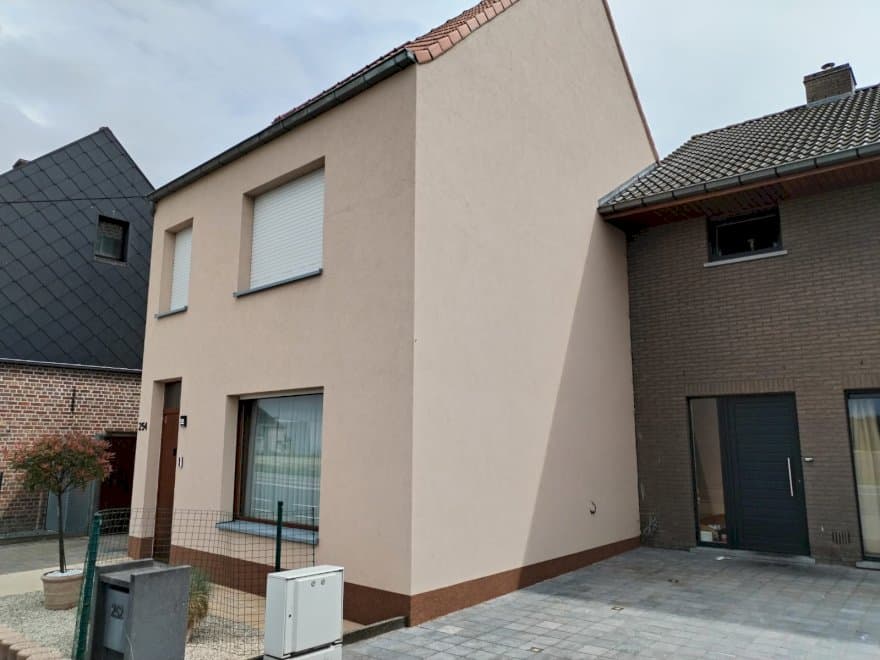
Cavity wall insulation or external render insulation: which is right for your home?
Choosing between cavity wall insulation and external wall insulation with render? Compare the differences, advantages and which solution may suit your home best.
Ready to improve your home?
Request a non-binding quote and discover what we can do for your home.