
Nu-Isoleren Logo
Damp problems

Damp Walls: What Causes Them and How Can You Fix Them?

Dealing with damp walls? Learn how to recognise the warning signs, understand the difference between rising and penetrating damp, and find the right treatment for your home.

Updated on 3 November 2026

Damp Walls: What Causes Them and How Can You Fix Them?

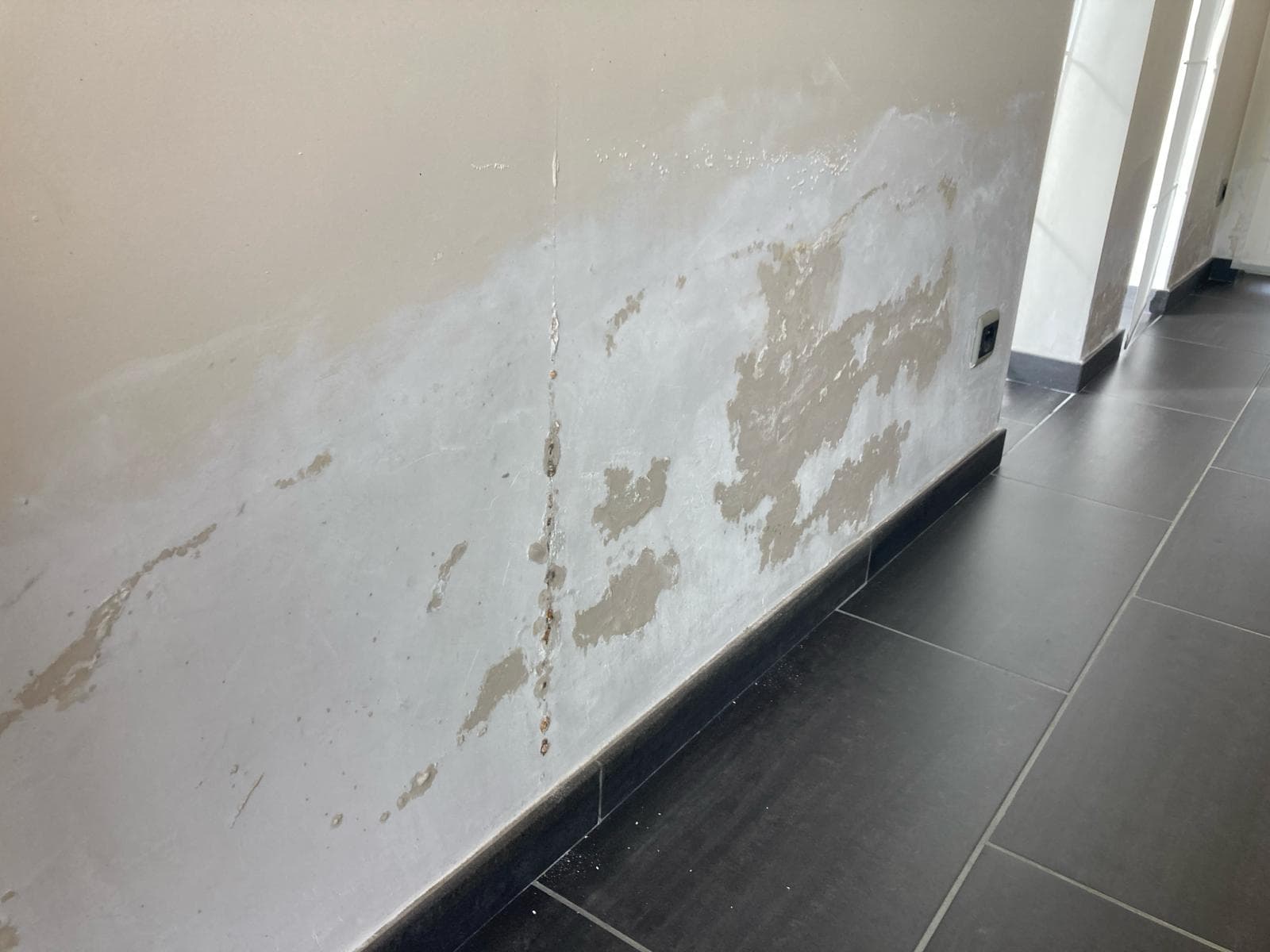
Damp patches, peeling paint or an unpleasant musty smell in your home? Moisture in walls can damage plaster, encourage mould growth and become a recurring problem if the underlying cause remains untreated.

However, not every damp wall needs the same treatment. Moisture may be rising from the ground, entering through an exterior wall, forming through condensation or coming from a leak.

Understanding the cause is the first step towards a lasting solution. This guide explains the common signs of damp walls, what might be causing them and which treatments may be appropriate for your property.

How Can You Recognise Damp Walls?

Damp problems often develop gradually. A small stain may eventually become a larger area of damaged paint or plaster.

Common warning signs include:

  • Dark patches or discolouration on interior or exterior walls.

  • Peeling paint or damaged plaster caused by persistent moisture.

  • White salt deposits appearing on masonry or plaster.

  • Mould growth and musty odours, particularly in poorly ventilated spaces.

  • Recurring damp patches, even after repainting.

The location and timing of the damage can provide useful clues. Dampness near floor level may suggest rising damp, while patches that worsen after heavy rain may indicate water entering through the building envelope.

These signs are not enough to confirm the cause on their own. Different moisture problems can produce similar symptoms.

What Are the Main Causes of Damp Walls?

Finding the right treatment starts with understanding where the moisture is coming from.

1. Rising damp

Moisture from the ground can travel upwards through porous masonry when a damp-proof barrier is missing, damaged or bypassed. This may result in damp patches, salt deposits and deteriorating plaster near the base of a wall.

2. Penetrating damp

Rainwater can enter through porous exterior masonry, damaged mortar joints or cracks. Walls exposed to wind-driven rain may be particularly vulnerable.

3. Condensation

Condensation can form when warm, humid indoor air meets a cold surface. Poor ventilation, thermal bridges and insufficient insulation can contribute to this problem.

4. Leaks and building defects

A leaking pipe, damaged gutter or poorly sealed window connection may also allow water to enter the structure.

Each cause requires a different solution. Treating the visible stain without addressing the source is unlikely to prevent the problem from returning.

What Should You Do About a Damp Exterior Wall?

An exterior wall becoming wet during rainfall is not necessarily a sign of damage. However, persistent dampness, poor drying or moisture appearing on the inside of the wall should be investigated.

Start by checking the condition of the façade. Cracked masonry, damaged mortar joints, leaking gutters and defective connections around windows or doors may allow water to enter.

For suitable porous mineral façades that absorb significant amounts of wind-driven rain, a water-repellent façade treatment may help reduce rainwater absorption.

This treatment penetrates the surface rather than creating a visible layer of paint.

However, damaged joints, cracks and active leaks must be assessed and repaired where necessary before treatment.

Learn more about our façade waterproofing and water-repellent treatments.

Which Treatment Is Suitable for Damp Walls?

There is no single treatment that solves every damp problem. The correct approach depends on the moisture source, wall construction and extent of damage.

  • Confirmed rising damp: a suitable injection treatment can create a moisture-resistant zone designed to limit further capillary rise.

  • Rainwater penetrating an exterior wall: damaged masonry or joints must be repaired. An appropriate water-repellent treatment may provide additional protection.

  • Condensation: improving ventilation, managing indoor humidity and addressing cold surfaces or thermal bridges may be necessary.

  • Plumbing or drainage leaks: the leak must be repaired before the wall can be properly restored.

Nu-Isoleren.be provides professional rising damp treatment and water-repellent protection for suitable façades.

The first step is always to determine which treatment matches the actual cause of the problem.

What Can You Check Yourself?

A few simple observations can help you better understand what may be causing dampness in your home.

Monitor when the patches appear. Do they become worse after heavy rainfall, or are they mainly visible during colder months?

Check ventilation. Condensation and mould may develop where humid indoor air meets cold surfaces, especially in bedrooms, kitchens and bathrooms.

Look for visible exterior defects. Damaged pointing, cracks and leaking gutters may offer useful clues. Avoid unsafe inspections at height.

Take photographs over time. Recording changes in the affected area can help when discussing the problem with a professional.

If the cause remains unclear or the damage continues to spread, seek an assessment before choosing a treatment.

Can You Paint Over a Damp Wall?

Painting over a damp wall without addressing the source of moisture is usually only a temporary cosmetic measure. Paint may blister or peel again while the underlying problem remains.

The moisture source should be addressed first, and the wall must be allowed to dry sufficiently before redecorating.

Drying time varies depending on the wall construction, the amount of moisture present and the conditions inside the property.

Salt-contaminated or damaged plaster may also require additional repair work.

Likewise, simply removing visible mould without addressing the damp conditions that caused it may allow the problem to return.

How Much Does Damp Treatment Cost?

The cost of damp treatment depends on the underlying cause and the work required to resolve it.

Factors affecting the price include:

  • The type and extent of moisture damage.

  • Wall thickness and construction materials.

  • Accessibility of the affected areas.

  • Any additional repairs to masonry, mortar joints or plaster.

Rising damp treatment and water-repellent façade protection involve different methods, so a single fixed price would not accurately reflect every situation.

Concerned about damp walls in your home?

Nu-Isoleren.be provides suitable damp treatment and façade protection services in Flanders and Wallonia.

Tell us about your property and the moisture problems you are experiencing. Our team can help you explore the available options.

Request a free, no-obligation quote

Ready to improve your home?

Request a non-binding quote and discover what we can do for your home.