
Nu-Isoleren Logo
INSULATION GRANTS WALLONIA

Insulation grants in Wallonia: rules for 2026 and 2027

Since 1 October 2026, Wallonia has moved from its temporary Primes Habitation scheme to renovation financing through Rénopack and Rénoprêt. Learn which insulation projects may qualify, which PEB targets apply and what you can prepare before applying.

Content reviewed: 15 November 2026

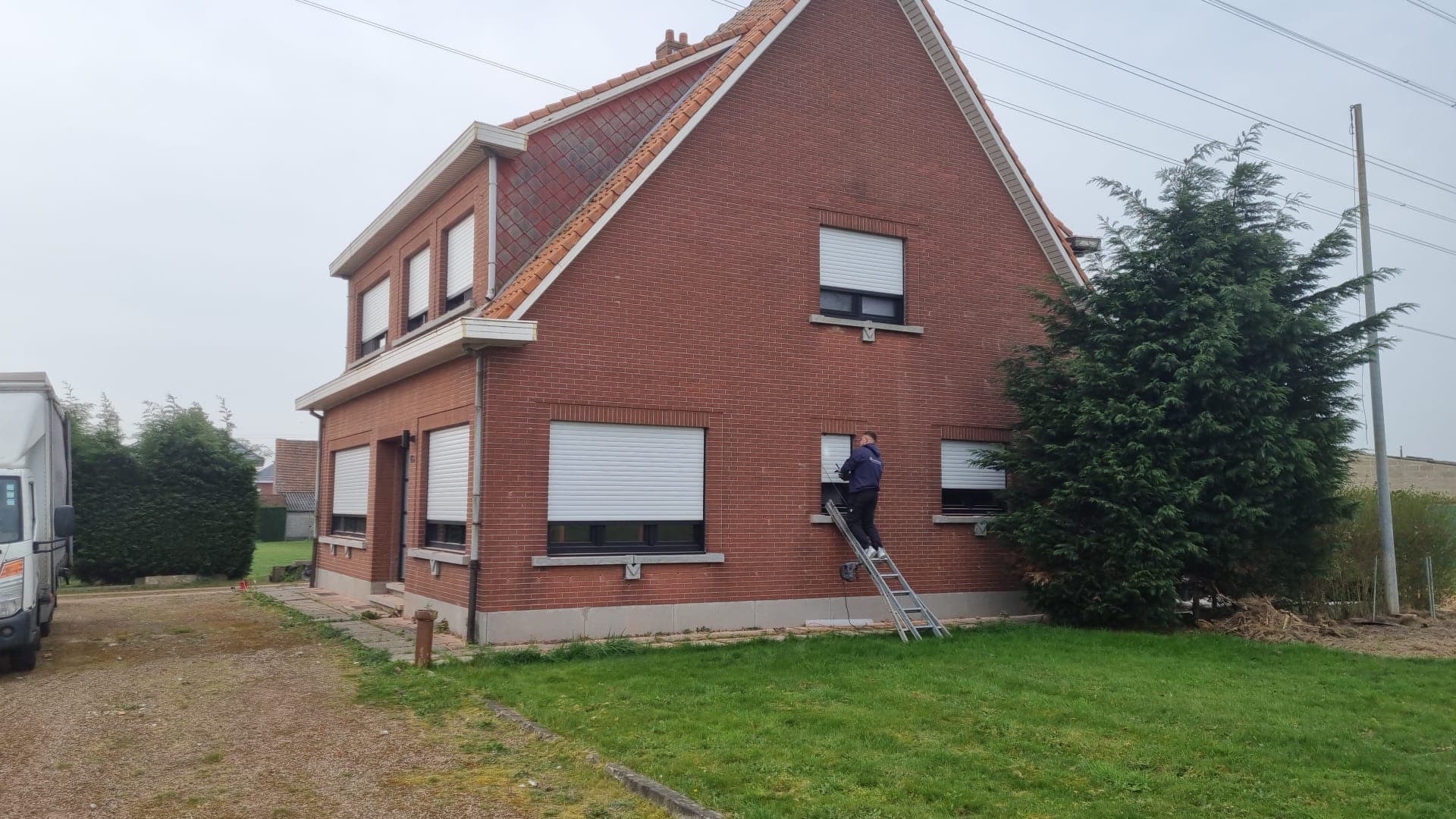
Home in Wallonia undergoing energy renovation work
IMPORTANT 2026 CHANGE

What insulation support applies in Wallonia after October 2026?

New renovation projects are considered under Rénopack or Rénoprêt financing. The per-square-metre grants under the temporary 2025–2026 scheme are no longer available for new applications under that scheme. A separate transitional route remains until 30 September 2027 for some projects started before 14 February 2025.

Ended on 30 September 2026

Primes Habitation 2025–2026

The temporary grant scheme ended on 30 September 2026. Any historic rates shown later on this page are for reference only and do not apply to new renovation projects.

Since 1 October 2026

Rénopack and Rénoprêt

The new loans assess the overall renovation project, household income, the property’s existing energy rating and the improvement planned. The SWCS expects the new operational process to be fully in place in early 2027.

Important: SWCS pre-registration is not a formal financing application and does not guarantee funding.

NEW FINANCING SINCE OCTOBER 2026

What PEB ratings are required for Rénopack?

The new scheme primarily supports properties with poor energy performance. The overall renovation must meet the required energy targets. An individual cavity wall or external insulation job does not automatically qualify for financing.

PEB F or G

The completed renovation must normally achieve at least PEB rating D.

PEB E

The completed renovation must normally achieve at least PEB rating C.

A Housing Audit completed or updated within one year before the financing application is generally required. In certain C1 and combined Accesspack cases, an assessment by the lender may replace the audit. Justified technical, functional or financial exceptions may apply to the PEB target.

RÉNOPACK & RÉNOPRÊT

How much renovation financing is available in Wallonia?

Support is provided through loans. Rénopack combines a 0% loan with a repayment reduction for eligible owner-occupiers in categories C1, C2 and C3. Rénoprêt is intended for applicants including category C4 households, landlords and co-ownership associations.

CategoryReference income (2026)FinancingStandard repayment reduction
C1Up to €28,9000% Rénopack45%
C2€28,900.01 – €41,1000% Rénopack35%
C3€41,100.01 – €67,1000% Rénopack10%
C4€67,100.01 – €122,800Preferential-rate Rénoprêt0%

Rénopack

A zero-interest loan for eligible owner-occupiers in C1–C3. Standard repayment reductions are 45%, 35% or 10% depending on income. An additional 5 percentage points may apply under strict rules if all qualifying building-envelope insulation works, excluding external joinery, use compliant bio-based eco-materials.

Rénoprêt

Financing for applicants including C4 households, landlords and co-ownership associations. Interest is usually preferential, with 0% possible in certain legally defined situations. It does not include the Rénopack repayment reduction.

These are the 2026 income thresholds, not guaranteed individual approvals. €5,000 per dependant is deducted when determining the household income category. Loans may reach €75,000 for a single-family house or €60,000 for an apartment. The eco-material uplift is not automatic for EPS beads or other conventional insulation materials.

INSULATION WORKS IN WALLONIA

Which insulation works can be included in Rénopack financing?

Insulation may form part of a comprehensive eligible renovation when the works appear in the Housing Audit or permitted assessment and meet the lender’s conditions. The new system does not provide an automatic per-square-metre grant for cavity walls or façades.

Cavity wall insulation

Insulating a suitable existing cavity can contribute to improving the building’s PEB rating. A preliminary inspection is needed to check suitability. Financing depends on the overall renovation plan.

Learn more about cavity wall insulation
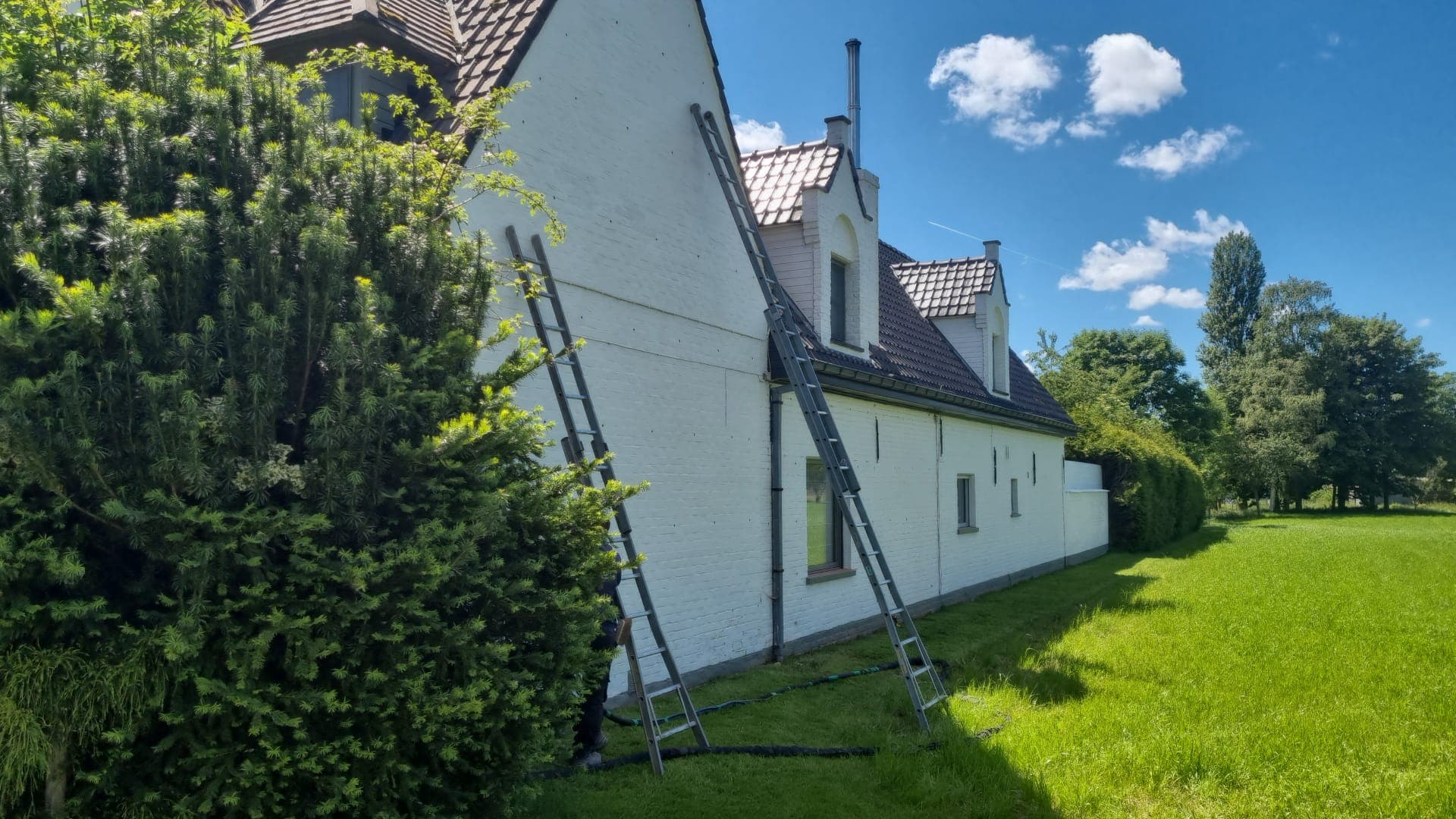
External wall insulation and rendering

External wall insulation can reduce heat loss and form part of the wider renovation. The insulation and any façade finish must align with the approved works and financing conditions.

Roof insulation

Roof insulation may also be included if listed in the permitted audit or assessment and contributes to the renovation’s energy targets.

Rising damp and wall remediation

Certain wall or floor remediation works addressing safety and habitability may be financed, subject to the lender accepting the proposed works.

A quotation for insulation is not an approval for Rénopack or Rénoprêt. Check the official rules and obtain guidance from the financing provider.

See official renovation financing information
APPLYING FOR FINANCING

How do you apply for Rénopack or Rénoprêt?

The former temporary grant programme has ended. For a new project, check the financing criteria and prepare your application documents. According to the SWCS, the revised process is expected to be fully operational in early 2027.

Former Primes Habitation: deadline passed

Applications under the temporary Primes Habitation 2025–2026 scheme had to be submitted by 30 September 2026. Some projects begun before 14 February 2025 may instead qualify for the separate transitional arrangements until 30 September 2027.

New projects: check eligibility and prepare documents

Check the current PEB rating and household income category. Prepare a recent Housing Audit, contractor quotations and income documents, and contact SWCS or Fonds du Logement. SWCS pre-registration is not a formal application. If you intend to use this financing, do not start work or pay a deposit before signing the credit agreement.

TRANSITIONAL ARRANGEMENTS TO 2027

Can an older renovation still qualify for a Walloon grant in 2027?

Special transitional arrangements may let certain households that began a renovation project before 14 February 2025 apply under former grant schemes. They do not create a new per-square-metre subsidy for projects starting today.

A dated and signed quotation or final purchase order from 13 February 2025 or earlier may be important evidence. The previous requirement for a 20% advance payment before that date has been removed.

Applications under the relevant former schemes must be submitted no later than 30 September 2027. Other conditions, including any applicable prior audit requirements, still need to be met.

If an application has already been submitted, the Walloon authorities state that applicants do not automatically need to resubmit it. Check which rules apply to your file.

Read the official transitional measures
HISTORIC GRANTS 2025–2026

How much were insulation grants in Wallonia until September 2026?

Under the now-closed temporary scheme, grants were calculated per square metre or running metre based on household income. This table is kept as a historic reference and must not be used as Rénopack or Rénoprêt grant rates.

Work (former scheme)R1R2R3R4
Roof or attic insulation€120/m²€80/m²€60/m²€40/m²
Thermal wall insulation€52.80/m²€35.20/m²€26.40/m²€17.60/m²
Treatment of rising damp€19.20/running metre€12.80/running metre€9.60/running metre€6.40/running metre

Historic Primes Habitation 2025–2026 rates; the scheme closed on 30 September 2026. Eligible VAT-inclusive costs were capped at 70% for R1–R2 and 50% for R3–R4. These former income categories are not the new C1–C4 financing categories. The 2027 transitional measures concern certain projects started before 14 February 2025.

Energy renovation of a home in Wallonia
FORMER 2025–2026 SCHEME

What conditions applied to the former Primes Habitation grants?

This section describes the closed temporary scheme. For an older renovation file, check which original or transitional requirements apply to that specific project.

The property had to be in the Walloon Region, outside the German-speaking Community.

The building had to be more than 15 years old.

More than 50% of the building had to be used, or intended to be used, as residential accommodation.

Work had to be carried out by a contractor registered with the Crossroads Bank for Enterprises and holding the required professional qualifications where applicable.

A prior Housing Audit was required for most work. The temporary scheme exempted certain roof works and roof or attic insulation from that audit requirement.

NU-ISOLEREN EXPERTISE

Cavity wall insulation backed by technical standards

Suitable materials and careful installation matter whether or not a renovation loan is available. Nu-Isoleren uses Isomo’s ISOMOPEARLS system for suitable cavity walls, following an initial suitability assessment.

ISOMOPEARLS — ATG 3170

ATG 3170 is the technical approval for the ISOMOPEARLS insulation system. ISOMO is the approval holder; it is not a separate ATG approval issued in the name of Nu-Isoleren.

Installation under STS 71-1

Nu-Isoleren is recognised as a cavity wall insulation installer under the STS 71-1 quality framework. This includes preliminary cavity inspection, installation requirements and quality monitoring.

ATG 3170 and STS 71-1 recognition do not guarantee a Walloon renovation loan. Verify the installer’s current recognition and the lender’s eligibility criteria.

Learn about BCCA’s quality framework

Official sources and content review

Reviewed on 15 November 2026 using official Walloon government, SWCS and regulatory information. Operational arrangements may change, so consult the lender’s latest conditions before committing to work or payment.

← Back to all grants

Ready to improve your home?

Request a non-binding quote and discover what we can do for your home.