Nu-Isoleren Logo
INSULATION MATERIAL

Glass wool for roof insulation

Glass wool is a flexible insulation material that is particularly suitable for pitched roofs and loft spaces. Nu-Isoleren uses URSA glass wool where thermal insulation, acoustic comfort and a good fit within the roof structure are important.

Glass wool for roof insulation

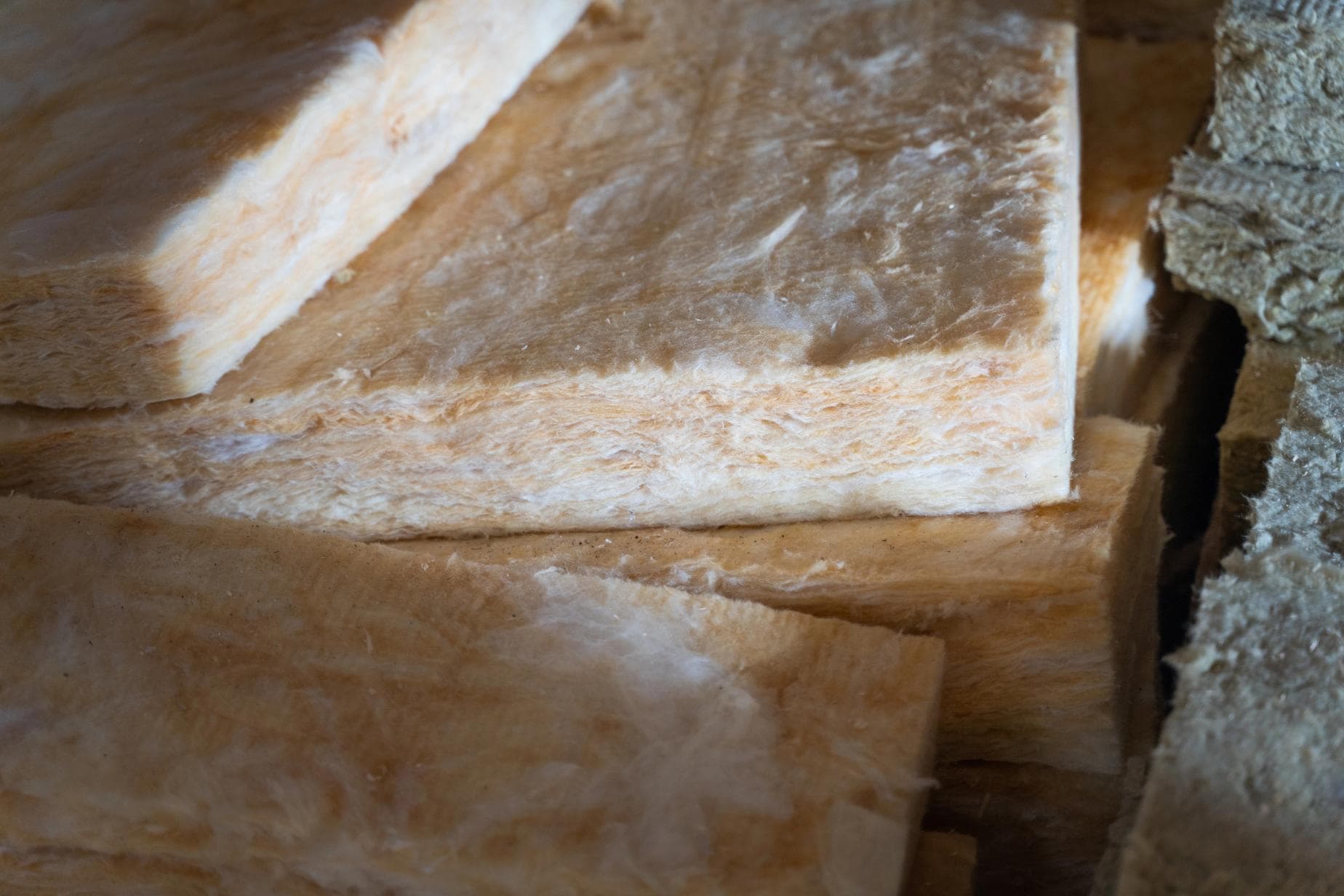
Glass wool is a mineral wool used for the thermal and acoustic insulation of buildings. It consists of fine glass fibres that trap a large amount of still air. This air helps reduce the transfer of heat.

For roof insulation, glass wool can be installed between rafters, roof framing and other parts of the supporting structure. Its flexible structure allows the material to fit closely around timber elements and other parts of the roof.

Nu-Isoleren uses glass wool from URSA. The appropriate thickness and product type depend on the existing roof construction, the available space and the required level of insulation.

What is glass wool?

Glass wool is a type of mineral insulation. It consists of a structure of fine glass fibres that traps a large amount of still air.

This trapped air provides much of the material’s insulating performance and helps limit heat transfer through the roof and other parts of the building envelope.

Glass wool is available in different forms and thicknesses, including rolls and slabs. Its flexible structure makes it particularly suitable for applications where insulation needs to be fitted between timber beams or rafters.

How does glass wool insulate a roof?

A roof that is not insulated or is insufficiently insulated can be a significant source of heat loss.

When insulating from the inside, glass wool is installed within the available space in the roof structure.

Its fibrous structure traps still air and reduces heat transfer. The same structure can also help absorb sound.

In a pitched roof, glass wool is generally fitted between timber rafters or other framing members. The material is cut to size so that it fits closely and unwanted gaps are kept to a minimum.

Correct installation and airtight finishing are just as important as the insulation material itself.

Why does Nu-Isoleren use URSA glass wool?

For our glass wool insulation work, we use URSA, a manufacturer specialising in insulation materials for buildings.

URSA offers a range of mineral glass wool solutions for applications including pitched roofs, loft floors, walls and timber structures.

The exact URSA solution and insulation thickness depend on the project. We select the insulation according to the roof construction, available space and required insulation level.

What are the benefits of glass wool?

Glass wool combines several properties that make it particularly useful for roof insulation.

It provides good thermal insulation and helps reduce heat loss through the roof.

Its fibrous structure also provides good sound absorption, which can improve comfort in rooms located directly beneath the roof.

Glass wool is flexible and can fit closely between rafters and other parts of a timber roof structure.

It is also relatively lightweight and can be cut to size, making it suitable for both renovation projects and other types of roof construction.

Thermal and acoustic insulation

Insulation is often associated primarily with reducing heat loss, but acoustic comfort can also be important in a roof.

The structure of glass wool helps reduce heat transfer while also absorbing sound. This can be beneficial in bedrooms, home offices and other rooms located directly beneath the roof.

The final performance depends on factors such as the type and thickness of the glass wool, the roof construction and the quality of the installation.

For this reason, we consider the insulation as part of the complete roof build-up rather than as an isolated layer of material.

How is glass wool installed in a roof?

Before installation, the roof construction and the available space between rafters or framing members are assessed.

The glass wool is then cut to size and fitted between the timber elements of the roof. Good continuity of the insulation is important so that gaps and interruptions are kept to a minimum.

Depending on the roof construction, a suitable vapour control layer or membrane is installed on the interior side. Joints and connections need to be carefully sealed to create good airtightness.

Once the insulation work has been completed, the interior can be finished with the appropriate lining or other interior finish.

Is my roof suitable for glass wool insulation?

Glass wool can be used in many pitched roof constructions, but the most suitable solution depends on the existing roof.

Factors such as the available space between rafters, the condition of the roof, the presence of an underlay and the possibility of creating a proper airtight layer all need to be considered.

The required insulation performance and the amount of interior space that should remain after installation also play a role.

A preliminary assessment makes it possible to determine which insulation build-up is most appropriate for the roof.

Glass wool or PIR: which insulation should you choose?

Glass wool and PIR can both be used for roof insulation, but they have different characteristics.

Glass wool is flexible and particularly suitable for installation between timber rafters or roof framing. It combines thermal insulation with good sound-absorbing properties.

PIR is generally supplied as rigid insulation boards. It can be particularly useful when strong thermal performance is required while keeping the insulation thickness relatively limited.

The most appropriate material therefore depends on the roof construction, available space, required insulation performance and the way the roof will be finished.

Nu-Isoleren assesses the existing situation to determine which insulation build-up is best suited to the property.

Ready to improve your home?

Request a non-binding quote and discover what we can do for your home.

Glass Wool Roof Insulation | URSA Glass Wool | Nu-Isoleren